
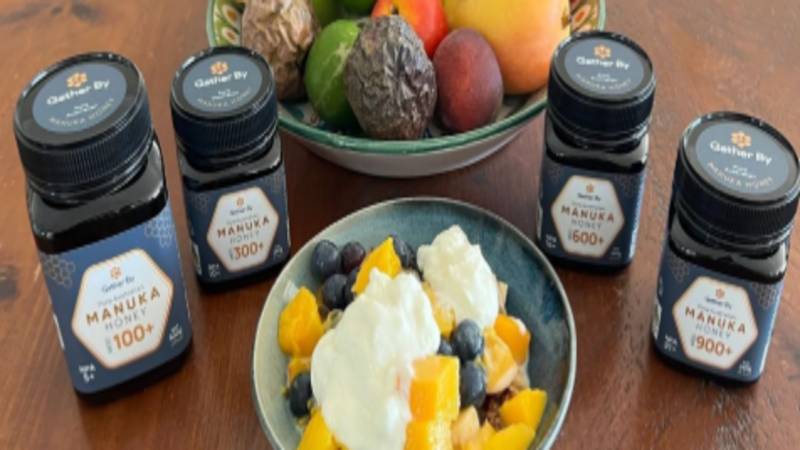
Honey has been valued for thousands of years, both as a food and as a traditional remedy. Among the many varieties available today, one stands out for its unique properties and growing reputation. Produced mainly in New Zealand and parts of Australia, this golden, thick honey has attracted the attention of researchers, nutritionists, and everyday consumers. In this article, we explore where it comes from, how it may support your health, and how to choose a genuine product.
What Makes Manuka Honey Special
Understanding the many manuka honey benefits begins with knowing how this honey is made. Bees collect nectar from the flowers of the manuka bush, which is native to New Zealand. The resulting honey contains a natural compound called methylglyoxal, often shortened to MGO, which forms from dihydroxyacetone found in the nectar. This compound is largely responsible for the strong antibacterial activity that sets this honey apart from regular varieties. It also carries enzymes, amino acids, and minerals that add to its nutritional value.
Most ordinary honey produces a small amount of hydrogen peroxide, which gives it mild antibacterial action. Manuka honey contains additional non peroxide activity, which means its effect remains stable even when it is diluted or exposed to heat and light. This is one reason it has drawn so much scientific interest.
Manuka Honey for Wound and Skin Care
One of the most studied uses of this honey is in wound care. Medical grade versions are used in some clinical settings to help protect minor wounds, burns, and ulcers from infection. The honey creates a moist environment that supports the natural healing process, and its thick texture forms a protective barrier over the skin.
Many people also apply it to everyday skin concerns. Because of its antibacterial qualities, it is often used in face masks and spot treatments for blemish prone skin. It also acts as a natural humectant, meaning it draws moisture into the skin and helps keep it soft. Anyone with a serious wound or a chronic skin condition should speak with a healthcare professional before using honey as a treatment.
Manuka Honey for Throat and Digestive Health
A spoonful of honey has long been a household remedy for a sore throat, and this variety is a popular choice. Its soothing texture coats the throat, which may reduce irritation and ease coughing. Some studies suggest that honey can be as helpful as certain over the counter cough remedies for children over one year of age, though more research is still needed.
Digestive support is another area of interest. Early research suggests that this honey may help limit the growth of certain harmful bacteria in the gut, including types linked to stomach discomfort. It also contains natural prebiotic compounds that may encourage the growth of helpful bacteria. While the evidence is still developing, many people include a small daily serving in their routine as part of a balanced diet.
Manuka Honey for Oral Health
Oral care is a lesser known but promising field. Bacteria in the mouth contribute to plaque, gum inflammation, and bad breath. Some small studies have found that products containing this honey may help reduce plaque and gum bleeding. Because of this, it is now found in certain lozenges, mouth rinses, and gum products.
It is important to remember that honey still contains natural sugars. Using it in place of regular brushing and flossing is not recommended. Think of it as a possible supporting step rather than a replacement for proper dental hygiene.
How to Choose Authentic Manuka Honey
Demand has grown quickly, and so has the risk of low quality or mislabeled products. Genuine manuka honey is graded, and the grading system helps buyers understand its strength. Look for the following signs of quality:
- A UMF rating, which stands for Unique Manuka Factor, with higher numbers indicating greater potency
- An MGO measurement printed on the label, such as MGO 250 or MGO 500
- A clear statement that the honey was produced and packed in New Zealand
- Packaging from a licensed and traceable supplier
As a general guide, lower grades suit everyday use as a food, while higher grades are often chosen for targeted purposes. Higher grades also cost more, so it is worth buying according to your needs rather than assuming the highest number is always necessary.
Safe Ways to Use Manuka Honey
There are many simple ways to add this honey to your day. You can take a teaspoon straight from the jar, stir it into warm water or herbal tea, spread it on toast, or blend it into yogurt and porridge. To keep its beneficial compounds intact, avoid adding it to very hot liquids, as high heat can reduce some of its properties.
A few safety points are worth remembering. Honey should never be given to infants under twelve months old because of the risk of infant botulism. People with diabetes should monitor their intake carefully, since honey raises blood sugar. Anyone with a known allergy to bee products or pollen should also take care. Moderation is key, and a daily serving of one or two teaspoons is common.
Conclusion
This remarkable honey offers more than a pleasant taste. From supporting wound care and soothing the throat to promoting oral and digestive wellness, there is a growing body of research behind its reputation. Learning about the full range of manuka honey benefits helps you make informed choices, but it is equally important to buy certified products and use them sensibly. While it is not a cure for any condition, it can be a valuable addition to a healthy lifestyle when used with care and with advice from a medical professional where needed. See More