
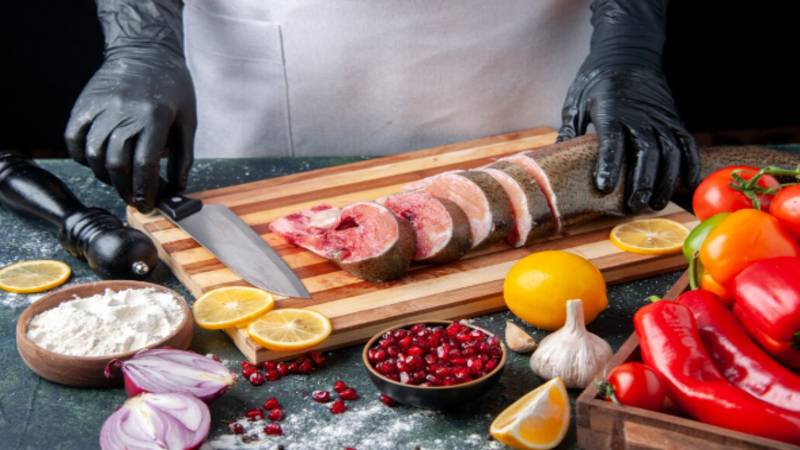
Standing at the counter with an unfamiliar cut of pork in hand is a common moment of hesitation. Porcelet, the young, milk-fed pork prized for its tenderness and delicate flavor, isn’t something most home cooks grew up buying regularly, so it’s easy to default to whatever cut looks most familiar rather than the one that actually suits the meal. Understanding what separates these cuts from one another takes the guesswork out of it and makes the cooking that follows a lot more predictable.
Why Porcelet Behaves Differently Than Standard Pork
The main distinction with porcelet comes down to age and diet. Because the animal is younger and raised on a milder feeding regimen, the meat has a finer grain and less pronounced fat marbling than mature pork. This translates to a more delicate texture and a cleaner, less gamey flavor, but it also means the meat can dry out faster if it’s cooked the same way you’d cook a tougher, older cut.
That single fact should guide most of your decisions in the kitchen. Cuts that benefit from long, slow cooking in standard pork don’t always need the same treatment here, and cuts that are already tender can go from perfect to overdone in a shorter window than expected. Once you understand that porcelet rewards attentiveness over brute cooking time, choosing the right cut becomes much easier.
Loin: The Everyday Workhorse
The loin is probably the most versatile cut in the collection, and it’s a reasonable starting point if you’re new to cooking with porcelet. It’s lean, mild in flavor, and cooks relatively quickly, which makes it a practical option for weeknight dinners when you don’t have hours to spend at the stove.
Because it lacks the fat content of a shoulder or belly cut, the loin is more forgiving with quick, high-heat methods like pan-searing or roasting at a moderate temperature, but it punishes overcooking. Pulling it from the oven a few degrees before your target temperature and letting it rest is usually the difference between a juicy result and a dry one. A simple herb crust or a quick pan sauce made from the drippings goes a long way here, since the meat itself is mild enough to take on whatever flavors you build around it.
Tenderloin: For When You Want Something Fast and Elegant
The tenderloin is the most delicate cut in the lineup, both in texture and in how it needs to be handled. It’s naturally tender without much intervention, which makes it a good option when you want a quick, impressive result without a lot of technique involved.
Because it’s so lean, high, fast heat works best. Searing it in a hot pan and finishing briefly in the oven, or grilling it over direct heat for a short time, keeps the exterior caramelized while the interior stays tender. This is not a cut for slow roasting or braising. Given the size and shape, it also cooks unevenly if left whole over low heat for too long, so keeping the process quick is part of what makes it work.
Belly: Built for Low, Slow Cooking
Pork belly is the outlier in the collection because it actually carries meaningful fat content, unlike the leaner cuts above. That fat is an asset if you treat it correctly. Slow roasting at a lower temperature allows the fat to render gradually, basting the meat from within and producing a texture that’s tender rather than chewy.
Skipping the slow render and cooking belly hot and fast is a common mistake. Without enough time for the fat to break down, you end up with a tough, greasy result instead of the silky texture the cut is capable of. If you’re working with limited time, braising is a reasonable shortcut, since the liquid helps tenderize the meat faster than dry roasting alone.
Rack: A Cut Built for Presentation
The French rack is the cut most suited to serving whole at the table, largely because of how it looks once cooked. Individual portions come with the bone attached, which makes for a striking presentation and also helps insulate the meat slightly during cooking, reducing the risk of drying it out compared to a boneless cut of similar size.
Roasting the rack whole, then slicing it into chops just before serving, is generally more reliable than cooking individual chops separately, since the larger mass retains moisture better throughout the cooking process. A moderate oven temperature with a brief high-heat sear at the start or end gives you both a browned exterior and an evenly cooked interior.
Matching the Cut to the Meal
Once you know what each cut is built for, choosing becomes a matter of matching effort to occasion rather than defaulting to habit. A weeknight dinner calls for something quick and low-maintenance, which points toward the loin or tenderloin. A weekend project with more time on the clock is where belly earns its place, since the payoff is worth the wait. When you’re cooking for guests and want something that looks deliberately composed, the rack does that work for you.
If you’re still getting a feel for the differences, working through the collection of porcelet cuts side by side is a reasonable way to understand how texture and fat content shift from one to the next, since seeing the cuts together makes the distinctions more concrete than reading about them in isolation.
A Note on Sourcing and Freshness
Quality varies more with young pork than with standard cuts, partly because there’s less fat to mask inconsistencies in how the animal was raised or processed. Look for meat that’s pale pink rather than gray, with a fine, even grain. Vacuum-sealed packaging tends to preserve freshness better than loosely wrapped cuts, especially for something as lean as tenderloin, which dries out faster once exposed to air.
If a recipe calls specifically for a lean, quick-cooking option, a well-sourced porcelet loin is usually the most dependable choice, since its mild flavor and consistent texture make it easier to get right on the first try, even for cooks who haven’t worked with young pork before.
Cooking porcelet well isn’t complicated once you stop treating it like standard pork. Pay attention to fat content, match your cooking method to what each cut actually needs, and the rest follows naturally. See More